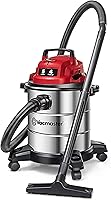
Wet Vac vs Shop Vac: Is There a Difference?
Wet vac vs shop vac usually comes down to the name: both often mean a wet/dry vacuum. Choose by the jobs, filter setup, tank size, and attachments the specific model supports.
On this page (10 sections)
- Is a wet vac the same as a shop vac?
- How does a wet/dry vac differ from a household vacuum?
- How do you know whether a shop vac can pick up water?
- Which jobs suit a wet/dry shop vac?
- How do three wet/dry vacs differ?
- Is a wet vac better for water than a shop vac?
- How should you choose between a wet vac and a shop vac?
- How do you set up and care for a wet/dry vacuum?
- What mistakes should you avoid when using one?
- Wet vac vs shop vac: which one should you choose?
Wet vac vs shop vac usually comes down to the name: both often mean a wet/dry vacuum. Choose by the jobs you need to handle, then check the specific model’s manual for its wet and dry setup.
“Shop vac” is a common name for a wet/dry vacuum used in garages, workshops, homes, and vehicles. “Wet vac” emphasizes liquid pickup, but it can describe the same kind of machine.
That overlap can make shopping confusing. A label alone doesn’t tell you which filter to use, what materials are allowed, or whether the attachments fit your cleanup.
Is a wet vac the same as a shop vac?
Often, yes: both terms commonly describe a vacuum designed for dry debris and approved wet pickup. Names vary by brand, so check the manual for the model you’re considering.
A wet/dry vacuum typically uses a tank and hose, with filters or sleeves suited to different jobs. Some models also have a blower port, tank drain, or on-board accessory storage.
It can be a useful choice for sawdust, vehicle dirt, and small spills when the maker approves those uses. For an overview of tank sizes and features, see our wet/dry vac buying guide.
How does a wet/dry vac differ from a household vacuum?
A wet/dry vac is built for rough cleanup and approved liquid pickup, while a household vacuum is generally meant for dry floor care. Pick the machine that matches the surfaces and messes you handle most often.
The tank can collect debris or liquid, but a full tank can be awkward to move and empty. A household vacuum is usually more suited to routine carpet and floor cleaning.
“Wet” doesn’t mean every liquid is safe to vacuum. Follow the manual, and don’t use either type of vacuum to collect flammable liquids or anything the maker prohibits.
How do you know whether a shop vac can pick up water?
Check the manual for wet pickup instructions, including the filter, tank, and accessory setup. A wet/dry label doesn’t tell you which parts must be installed or removed for your model.
Some vacuums use a foam sleeve for wet jobs, while dry cleanup may call for a cartridge filter or collection bag. Unplug the machine before changing parts, and use only the filter setup the manual approves.
After a wet job, empty the tank and let the parts dry as directed. For filter and bag choices, see our guide to whether a shop vac needs a bag or filter.
Does a wet vac need a special filter?
It may need a different filter or sleeve for liquid pickup. Use the setup specified in the manual because a dry bag or filter may not be suitable for wet work.
A foam sleeve is one common option for wet pickup. Dry debris may call for a cartridge filter or collection bag, depending on the model and what you’re collecting.
Which jobs suit a wet/dry shop vac?
A wet/dry shop vac suits rough cleanup when its tank, filter, and attachments match the job. Common uses include garage debris, workshop dust, vehicle dirt, and small liquid spills that the maker permits.
A larger tank can mean fewer stops to empty it during cleanup, but it also needs more room to store. A compact vacuum is easier to fit in a tight space, though you may need to empty its tank sooner.
A blower port can move loose debris outdoors when the model supports that use. See what a shop vac is used for for more examples.
What should you avoid vacuuming?
Avoid any material or liquid the manual prohibits. Don’t assume a vacuum can collect a substance just because it handles water.
Never pick up hot ash, flammable liquids, or hazardous material unless the maker expressly approves the use and gives the required setup. For larger dust-control jobs, consider whether a dust extractor is a better fit.
How do three wet/dry vacs differ?
The Stanley SL18116 has a 6-gallon tank, the Craftsman CMXEVBE17590 has a 9-gallon tank, and the Shop-Vac 5761011 has a 10-gallon tank. Their drains, filters, and included attachments help narrow the choice further.
The Stanley SL18116 has a stainless steel tank and a blower port. It comes with a foam filter and dust bag.
The Craftsman CMXEVBE17590 includes a wet nozzle, Qwik Lock filter, and dust collection bag. Its built-in oversized drain and rear blower port suit jobs that call for those features.
The Shop-Vac 5761011 includes a cartridge filter, foam sleeve, and dry filter bag. It also has a built-in drain and blower function.
For more model options, compare our best wet/dry vacuums for garage and home. Choose based on capacity, storage space, and the attachments your cleanup needs.
Is a wet vac better for water than a shop vac?
Neither name guarantees better water pickup. Look for wet pickup approval, the right filter or sleeve, enough tank capacity, and an easy way to empty the tank.
A drain can make liquid emptying easier, while a larger tank can hold more before you stop. Water adds weight, so follow the manual’s directions for moving and draining a full vacuum.
A wet/dry vacuum isn’t a substitute for a sump pump or a way to handle deep, fast-rising floodwater. Keep electrical equipment away from standing water, and get qualified help if water reaches outlets or appliances.
How should you choose between a wet vac and a shop vac?
Choose the model by the messes you expect, not by whether its name says “wet vac” or “shop vac.” Check the filter, tank, hose, nozzles, and power cord against the job and where you’ll store the vacuum.
- Tank size: Match capacity to the amount of debris or liquid you expect, and to the storage space you have.
- Filter setup: Confirm which filter or sleeve the maker requires for wet and dry pickup.
- Hose and nozzles: Check whether the included parts suit your vehicle, floor, or workshop cleanup.
- Emptying: A drain can help with liquids; consider how you’ll empty the tank after dry jobs.
- Reach: Check the hose, cord, and extension wands against the area you need to clean.
- Blower use: Look for a blower port or function if you want to move loose debris outdoors.
Don’t choose by peak horsepower alone. That number doesn’t tell you which filter, nozzle, tank, or operating limits fit your cleanup.
How do you set up and care for a wet/dry vacuum?
Start with the manual, install the filter arrangement for the job, and unplug the vacuum before making changes. Correct setup helps prevent wet debris from going through a dry filter arrangement.
Before use, inspect the tank, hose, filter, and attachments for damage or clogs. Secure the lid and use a suitable nozzle; keep the cord and machine away from standing water.
After wet pickup, empty the tank as directed and allow parts to dry as needed. For dry debris, empty the tank before it becomes difficult to carry, then clean or replace the filter as the manual recommends.
What mistakes should you avoid when using one?
The main mistakes are using the wrong filter, ignoring the manual’s limits, and moving a full tank carelessly. A few simple checks can help you avoid a messy cleanup or damage to the vacuum.
Don’t leave a dry collection bag or filter in place for wet pickup unless the manual allows it. Don’t run the vacuum with a missing or incorrectly fitted filter, and unplug it before changing accessories.
Don’t treat the tank’s stated size as a promise that it can safely hold that much of every material. Stop and empty it when the manual calls for it, and use the drain rather than lifting a heavy tank when available.
Wet vac vs shop vac: which one should you choose?
For wet vac vs shop vac, pick the specific wet/dry model that fits your cleanup, filter setup, and storage space. Choose a larger tank and drain for frequent, heavier cleanup; choose a smaller tank when easier storage and handling matter more.
If water pickup is your main concern, confirm the wet setup in the manual before buying. For a broader comparison of features, use our wet/dry vac buying guide.
Frequently asked questions
Is a wet vac the same as a shop vac?
Usually, yes. Both names often refer to a wet/dry vacuum that can pick up dry debris and some liquids when set up with the right filter or sleeve.
Check the manual for the specific model, since names alone don't confirm its approved uses or setup.
Can a shop vac pick up water?
Many wet/dry shop vacs can pick up water, but you need to prepare the vacuum as its manual directs. That may mean removing a dry filter bag, fitting a foam sleeve, or changing the filter.
Unplug the vacuum before changing parts, and empty the tank after wet pickup.
Do you need a wet vac for a flooded basement?
A wet/dry vacuum may collect small amounts of water if the maker approves that use, but it isn't a pump for deep or fast-rising water. Keep the vacuum and cord away from standing water around electrical outlets or appliances, and address the source of the leak first.
Is a shop vac better than a regular vacuum?
A shop vac is better suited to rough cleanup such as workshop debris, vehicle dirt, or approved liquid pickup. A regular household vacuum is usually easier for routine carpet and floor care.
Choose based on the surfaces, debris, and wet or dry jobs you actually have.