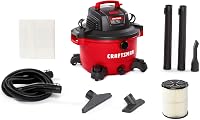
Best Cordless Wet/Dry Shop Vacs: How to Choose
The best cordless wet dry shop vacuum for most homes is the DeWalt DCV581H, because it runs on a 20V MAX battery or a cord and includes a HEPA filter, a 2-gallon tank and a 5 ft hose. Pick a smaller or larger tank only after you match hose reach and battery system to your cleanup jobs.
On this page (10 sections)
- What should the best cordless wet dry shop vacuum get right?
- Which tank size fits home spills and garage messes?
- How much hose reach do you need in a garage or car?
- Why does the battery system decide which vac you buy?
- DeWalt DCV581H: the best overall cordless wet dry shop vac
- Craftsman CMCV002B: the best hose reach
- ReliaRoads RCSV-20: the best tank size and DeWalt battery fit
- How do you compare cordless wet dry shop vacs side by side?
- How should you set up and care for a cordless wet dry vac?
- Which cordless wet dry shop vac should you buy?
The best cordless wet dry shop vacuum for most people is the DeWalt DCV581H, because it works on a 20V MAX battery or a cord and includes a HEPA filter. The cord option means you are never stuck waiting on a charge for a big cleanup.
Cordless wet and dry cleanup around the home covers a wide spread of jobs. A spilled drink in the kitchen, sawdust in the garage and water in a car footwell all call for a vac that takes both liquid and dry debris.
Tank size, hose reach, suction and battery fit decide which one earns a spot in your closet.
The three picks below cover the main needs. The DeWalt is the best overall for most homes, the Craftsman gives you the longest hose in this group, and the ReliaRoads gives you the largest tank.
This guide walks through the choices in order so you can match one to your own routine.
What should the best cordless wet dry shop vacuum get right?
The best cordless wet dry shop vacuum should match your two or three most common cleanup jobs, not every job imaginable. Start with tank size and hose reach, because those two specs decide how much mess you can take in one pass and how far you can stand from it.
A cordless shop vac trades some raw power for freedom from an outlet. That trade is worth it when you clean spills in places without a plug nearby, or when a cord would snag on tools, shelving or a parked car.
Look at these points in order:
- Tank size sets how long you clean before emptying. A 2-gallon tank suits spills and spot cleanup; 2.65 gallons gives you more room between stops.
- Hose length and diameter decide your working radius. A 7.8 ft hose reaches further than a 5 ft hose without moving the base.
- Battery fit matters most. A bare tool only makes sense if you already own that battery system or plan to buy into it.
- Filter type affects the dust you keep out of the air. A HEPA filter is the tighter option for fine dust and debris.
- Wet and dry switching should be simple. You want a tank you can empty and dry without fighting the filter.
Write down your typical jobs and the outlet situation in each spot. That short list narrows the field faster than reading a long spec sheet.
Firm rule: pick the tank size first, then the hose reach. Suction and battery fit only matter once you know the size of mess you expect to face.
If you want the full background on how wet and dry pickup differs from a plain vacuum, read our wet dry vacuum buyer's guide before you choose a model.
Which tank size fits home spills and garage messes?
A 2-gallon tank fits most home spills and car cleanup, while 2.65 gallons or more suits bigger wet messes and less frequent emptying. The tank is the single spec that changes your day-to-day routine the most.
Smaller tanks stay light when full, which matters because you carry a cordless vac rather than rolling it. Larger tanks mean fewer trips to the drain or trash bin, but more weight in your hand once they take in liquid.
| Tank size | Good for | Trade-off |
|---|---|---|
| 2 gallons | Spills, car floors, quick garage sweeps | Needs emptying more often |
| 2.65 gallons | Bigger wet messes, longer jobs | Heavier when full |
The DeWalt DCV581H and the Craftsman CMCV002B both carry a 2-gallon tank. The ReliaRoads RCSV-20 goes up to 2.65 gallons.
That difference sounds small, but it means fewer pauses when you clear a wet floor.
How do you empty a wet dry vac tank safely?
Empty a wet dry vac by switching it off, removing the battery or unplugging it, then lifting the motor head away from the tank. Pour liquid into a drain or bucket and wipe the tank dry before you store it.
Never tip a full tank toward the motor. Keep the head clear of water and set it down on a dry surface while you work.
After a wet pickup, fit the filter the brand specifies for wet use and let the filter air dry before the next dry job. A damp filter can clog and cut suction.
Firm rule: empty and dry the tank after every wet job, even when the tank looks mostly empty. Standing moisture is what causes smells and filter damage.
How much hose reach do you need in a garage or car?
A 5 ft hose covers close-in spills, while a 7.8 ft hose lets you stand back from the mess and reach across a car or workbench. Hose reach decides how often you drag the vac base to a new spot.
The DeWalt DCV581H ships with a 5 ft by 1-1/4 in hose. The Craftsman CMCV002B goes longer at 7 ft 8 in.
The ReliaRoads RCSV-20 sits in between with a 6.56 ft hose at the same 1-1/4 in diameter.
A longer hose helps when you clean under seats, along a wall or across a wide bay. A shorter hose is easier to coil and store, and it keeps the vac close to your hand for quick spot jobs.
Thicker hoses handle bigger debris but can feel stiffer to move. A 1-1/4 in hose is the common size for home and car cleanup and works with the standard nozzles and crevice tools in these kits.
When is a long hose worth the extra bulk?
A long hose earns its place when you clean wide spaces without moving the base, such as a two-car garage or the full length of a car interior. It saves repeated trips to reposition the vac.
Skip the long hose if your cleanup is mostly small spills in tight spots. A shorter hose is lighter to handle and easier to store on a hook or shelf.
Firm rule: match hose length to the widest space you clean, then check that the hose still coils into your storage spot.
Why does the battery system decide which vac you buy?
The battery system decides your real cost, because a bare tool only works if you own the matching battery and charger. Buy a cordless vac outside your battery family and you add the cost of a new battery set to the purchase.
The DeWalt DCV581H runs on DeWalt 20V MAX batteries. The Craftsman CMCV002B runs on Craftsman V20 batteries.
The ReliaRoads RCSV-20 is built to accept DeWalt 20V MAX batteries, so it shares a battery set with DeWalt tools you already own.
Check three things before you buy:
- Which battery family the tool takes. DeWalt 20V MAX and Craftsman V20 are different systems.
- Whether a battery and charger come in the box. These three are sold as bare tools.
- The runtime you expect. A bigger battery pack usually means longer cleaning between charges.
If you already own one system, staying inside it saves money and storage space. The corded option on the DeWalt also covers you when the battery runs down mid-job.
Firm rule: choose the vac that fits the batteries you already own, or budget for the battery and charger as part of the purchase.
DeWalt DCV581H: the best overall cordless wet dry shop vac
The DeWalt DCV581H is the best overall pick for most homes because it runs corded or cordless and includes a HEPA filter. That flexibility covers a quick spill on battery power and a longer garage cleanup on the cord.
The 2-gallon tank handles typical home spills and car messes. Its 5 ft by 1-1/4 in hose is flexible and crush resistant, and the wide gulper nozzle takes in larger puddles and clumps of debris.
DeWalt includes a washable, reusable filter and a HEPA filter, so you can switch between wet and dry jobs. Onboard accessory storage keeps the nozzles and crevice tool with the vac.
DeWalt backs it with a 3-year limited warranty.
This is the pick when you want one vac that covers both a plugged-in deep clean and a battery-powered spot job. The cord option also means a dead battery does not end the cleanup.
If you already own DeWalt 20V MAX batteries, the cordless side costs you nothing extra beyond the tool. Our Shop-Vac 9303511 review shows how a small corded wet dry vac compares when you do not need battery freedom.
Craftsman CMCV002B: the best hose reach
The Craftsman CMCV002B is the pick for reach, with a 7 ft 8 in hose that stretches further than the others here. It suits garage bays, long walls and full car interiors where you would rather not move the vac.
Craftsman rates the motor at 35 cfm. The 2-gallon tank handles wet and dry debris, and the HEPA filter traps fine dust.
Onboard hose and accessory storage keeps the kit together and helps you avoid losing the tools.
It runs on Craftsman V20 batteries, sold separately. That makes it the natural choice if you already own Craftsman V20 tools.
If you do not, price the battery and charger before you commit.
The longer hose is the main draw. It lets you stand back and work across a wide area without dragging the base through a puddle or around a car.
This is the pick for buyers inside the Craftsman battery family who clean wide spaces. Our shop vac 6 gallon roundup covers larger corded tanks when reach matters more than cordless freedom.
ReliaRoads RCSV-20: the best tank size and DeWalt battery fit
The ReliaRoads RCSV-20 gives you the largest tank in this group at 2.65 gallons, and it runs on DeWalt 20V MAX batteries. It suits buyers who already own DeWalt tools and want fewer trips to empty the tank.
ReliaRoads rates the airflow at 45 cfm and the suction at 12.1 Kpa. The 6.56 ft hose and 1-1/4 in diameter keep reach close to the middle of this group.
A washable filter and a detachable body make emptying and cleaning simpler.
The accessory kit adds a multi-purpose nozzle, a crevice tool, a sofa brush and an extra-long crevice tool. A blowing feature helps clear dust from hidden spots after a job.
It takes DeWalt 20V MAX batteries up to 5Ah. ReliaRoads says that can give you up to 30 minutes of runtime.
The tank size is the edge here, so pick it when you expect bigger wet messes and less frequent emptying.
This is the pick for a DeWalt household that wants more tank room without buying into a second battery system. If you already own a larger corded vac and want a comparison, see our best wet dry vacuum roundup for garage and home.
How do you compare cordless wet dry shop vacs side by side?
Compare cordless wet dry shop vacs by tank size, hose reach, battery fit and filter type, in that order. Scores help, but your own jobs and battery family decide which one you should carry home.
| Model | Tank | Hose | Battery fit | Score |
|---|---|---|---|---|
| DeWalt DCV581H | 2 gal | 5 ft | DeWalt 20V MAX or cord | 8.6 |
| Craftsman CMCV002B | 2 gal | 7 ft 8 in | Craftsman V20 | 8.4 |
| ReliaRoads RCSV-20 | 2.65 gal | 6.56 ft | DeWalt 20V MAX | 8.4 |
Our score weighs specs, features and how well each vac fits what you are shopping for. The DeWalt leads on flexibility because it runs corded or cordless and includes a HEPA filter.
The two 8.4 picks each win on one need: hose reach for the Craftsman and tank size for the ReliaRoads.
Start with your battery family, then your tank size, then your hose reach. That order keeps you from buying a vac that sits unused because the batteries do not fit.
Firm rule: never buy a cordless wet dry vac outside your battery system unless the tool earns it with a spec you really need.
How should you set up and care for a cordless wet dry vac?
Set up and care for a cordless wet dry vac by charging the battery, fitting the right filter for the job and keeping the tank and hose clean. A few habits keep suction strong and stop wet pickup from turning into a smell.
Follow these steps:
- Charge the battery fully before the first job. Check the charger light to confirm it is charging.
- Fit the filter for the job. Use the wet filter setup for liquid and the HEPA filter for fine dry dust.
- Connect the hose and nozzle. Push the fittings on firmly so air does not leak at the joints.
- Empty the tank when it reaches the fill line or feels heavy. Do not wait until it overflows into the motor.
- Clean the filter after dusty jobs. A washable filter can be rinsed and left to air dry.
- Store the hose coiled and the accessories in their onboard slots so nothing goes missing.
Keep the battery off the tool and away from damp spots when you store it. Wipe the tank dry after a wet job and leave the lid off for a while so air can move through.
Check the hose for cracks and the nozzle for clogs now and then. A blocked hose cuts airflow and makes the motor work harder than it should.
Firm rule: match the filter to the job before you switch the vac on, and dry the tank after every wet pickup.
Which cordless wet dry shop vac should you buy?
Buy the DeWalt DCV581H if you want the best all-round cordless wet dry shop vacuum, because the cord backup and HEPA filter cover both quick spills and longer jobs. It is the safest pick when you do not want battery limits to stop a cleanup.
Choose the Craftsman CMCV002B if reach is your main need and you already own Craftsman V20 batteries. Its 7 ft 8 in hose covers wide spaces without moving the base.
Choose the ReliaRoads RCSV-20 if you are in the DeWalt 20V MAX battery family and want the largest tank here. The 2.65-gallon tank means fewer trips to empty it.
Start with your battery system, then the size of your typical mess, then hose reach. That order points you to the right cordless wet dry shop vacuum for your home and garage.
For more comparisons across sizes and brands, browse our wet dry vacuum picks and the wet dry vacuum buyer's guide.
Frequently asked questions
What is the best cordless wet dry shop vacuum for home use?
The DeWalt DCV581H is the best fit for most homes because it runs corded or cordless and includes a HEPA filter. The Craftsman CMCV002B suits long hose reach, and the ReliaRoads RCSV-20 gives you a bigger tank if you already own DeWalt batteries.
How big a tank do I need on a cordless wet dry vac?
A 2-gallon tank handles small spills, car cleanup and quick garage sweeps. Pick a tank nearer 2.65 gallons if you expect to empty less often or to tackle bigger wet messes.
A larger tank also means more weight to carry when it fills with liquid.
Do cordless shop vacs come with a battery?
Most do not. The DeWalt DCV581H, Craftsman CMCV002B and ReliaRoads RCSV-20 are all sold as bare tools without a battery or charger.
Check that you own or plan to buy the matching battery system before you order.
Can a cordless wet dry vac pick up water?
Yes, a wet dry vac is built to take in liquid as well as dry debris. Empty and dry the tank after wet pickup, and fit the filter the brand specifies for wet use.
A washable filter needs cleaning so airflow stays strong.
What hose length works best for a cordless shop vac?
A 5 ft to 8 ft hose covers most home and garage jobs. Longer hoses reach across a bay or up a step without moving the vac, while shorter hoses stay easier to store.
Match the hose to the space you clean most often.
Can I use DeWalt batteries in other cordless shop vacs?
The ReliaRoads RCSV-20 is built to accept DeWalt 20V MAX batteries, so one battery set can run both tools. The DeWalt DCV581H uses DeWalt 20V MAX batteries as well.
The Craftsman CMCV002B runs on Craftsman V20 batteries.